I started Storybooks while getting ready to become a dad. I was thinking about bedtime stories, and what it would be like to make one around my own kid’s name, interests, and very specific requests.
The first version launched in June 2023. A parent could describe an idea and get an illustrated story back. The appeal was pretty simple: a child could be the main character, and the story could follow whatever they were curious about that day.
Let the kid make it weird.
One parent described a prompt dictated by a three-year-old: dinosaurs in the desert, rain, and umbrellas. Another said their daughter recognized herself in a character they’d created. Those examples, published on the Storybooks site, explain the point better than a list of AI features.
The parent brings the child’s world into the story. The software helps turn it into something they can read together.
The pictures are part of the problem.
A story isn’t just a block of generated text. The backend breaks it into pages, with text and a scene description for each page. It also keeps descriptions of the characters and adds those details to the illustration prompts. That gives the image model more context to work from across a book.
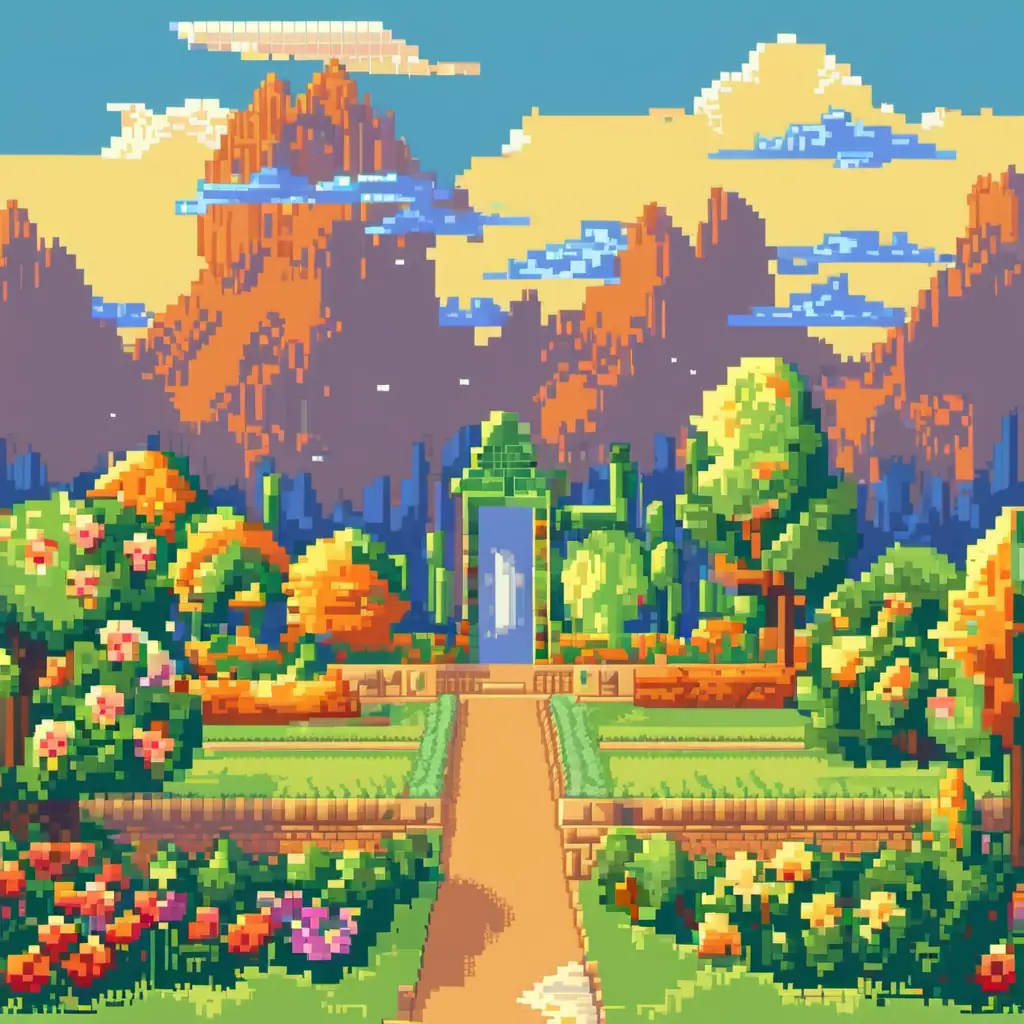
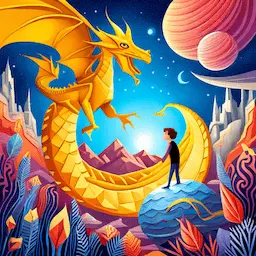
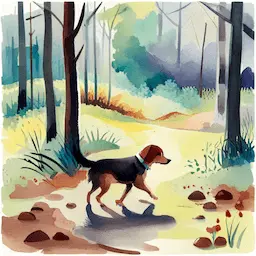
The visual style changes the whole feel. These are original style samples from the app: a paper dragon and a watercolor dog. The pixel landscape at the top of this page was another option.
The tools changed over time, too. The June 2023 launch announcement described ChatGPT and DALL-E; a later version of the code used Gemini and Imagen. The product problem stayed the same: get the words and pictures to work together as a book.
Beyond the bedtime prompt.
Storybooks expanded into a shared story library, reading-level controls, and optional activities. In the code, those activities are part of the generation request: a comprehension question attached to a page, a vocabulary word to discuss, or a math problem worked into the story.
There’s also Storybooks Illustrator, an editing workspace for people who want more control over the pages and illustrations. That takes the project from “make me a story” toward “help me make a book.”
I like that this project can be technically complicated underneath and still come down to a parent, a kid, and a ridiculous idea about dinosaurs.
More of the original story: founding page.